

Why we built Boutik.
Since our earliest e-commerce projects, one question has guided us: how do we respect the way a business works while helping its investment evolve?
Read the article →
THE PROGYMÉDIA NOTEBOOK
AI, commerce, systems: ideas to understand what matters, ask useful questions and build what comes next.
24 articles
Since our earliest e-commerce projects, one question has guided us: how do we respect the way a business works while helping its investment evolve?

Artificial intelligence can act on our behalf. But how far should we let it decide for us?

What if the real challenge is not making artificial intelligence ever smarter, but making sure it helps us become smarter too?

To help a team, an agent needs reliable information and clearly defined functions. The connection starts with context, access and the boundaries of the work.

From prepress to Progymédia, Gilbert Beaulieu shares a conviction shaped by change: understand the business, preserve what works and deliver useful solutions.

Following the PHP and Node.js advisories of October 21, 2026, our team deployed patches in under 24 hours with a calm, methodical response.

Reading a document is only part of preparing an order. Item references, discrepancies and corrections need a place in a workflow designed for the team.

We applied AI to a practical challenge: rebuilding our own management tool. Here are the decisions and lessons that matter beyond development speed.

Processing an invoice takes more than reading its total. The right documents need to be found, their information compared and discrepancies given a clear next step.

Autonomy is about more than completed tasks. It also needs clear boundaries, deliberate stops and decisions that belong with a person.

A good-looking catalogue is only the start. The journey must account for customer terms, approvals and the work that follows an order.

Beyond adoption lies a design challenge: giving AI the context, rules and boundaries that make its help useful in everyday work.

Useful integration starts with responsibility: which source is authoritative, who can change it and how do we recover when an exchange fails?

Available vehicles, capacity, receiving hours, pickups and exceptions: a useful plan needs to reflect the day people will actually work.
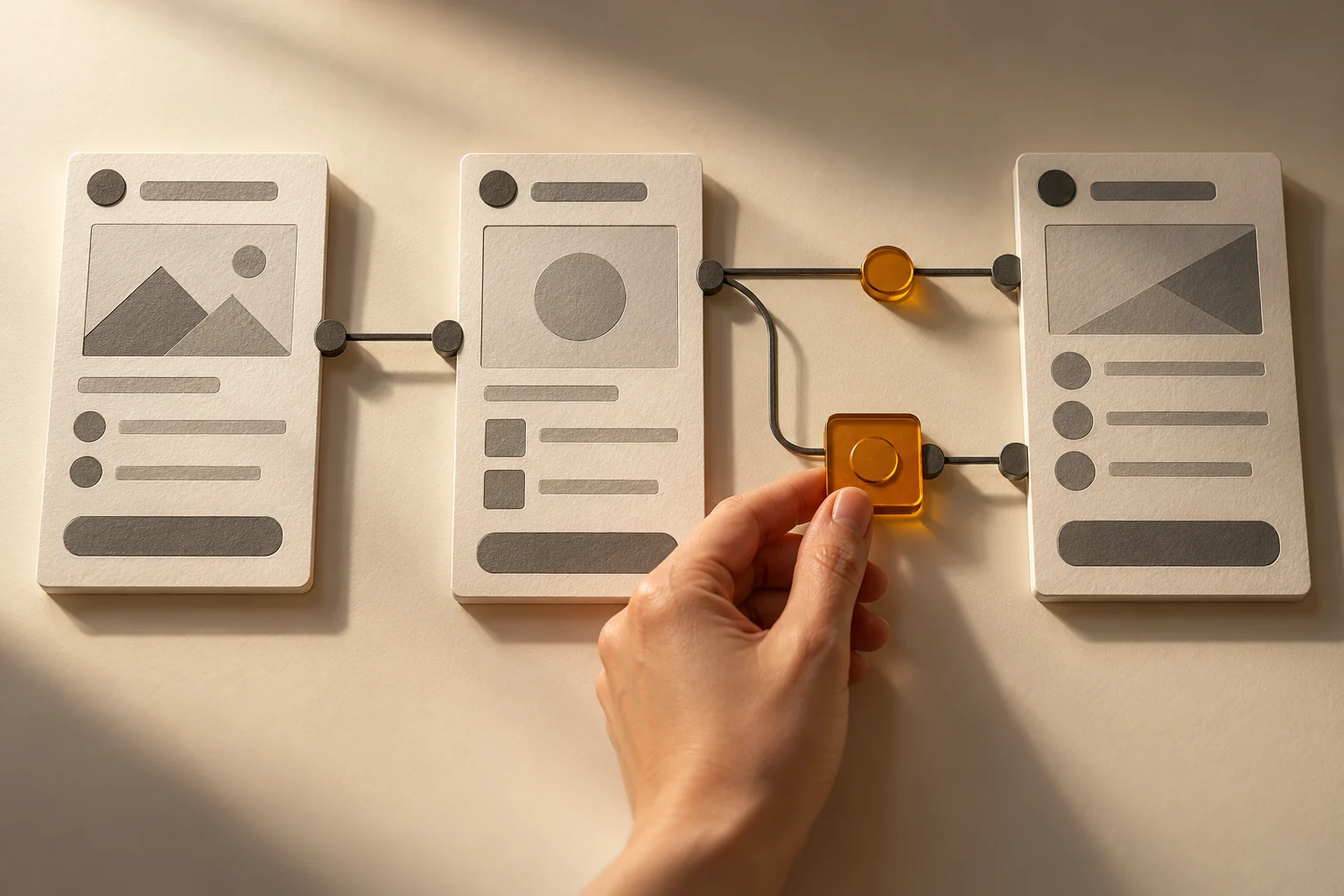
Trying an early workflow often reveals what a requirements document leaves abstract. Its purpose is to inform decisions and prepare a project with clear next steps.

A team can work well with stable routes. Its tools should help prepare visits, account for constraints and make follow-up easier.
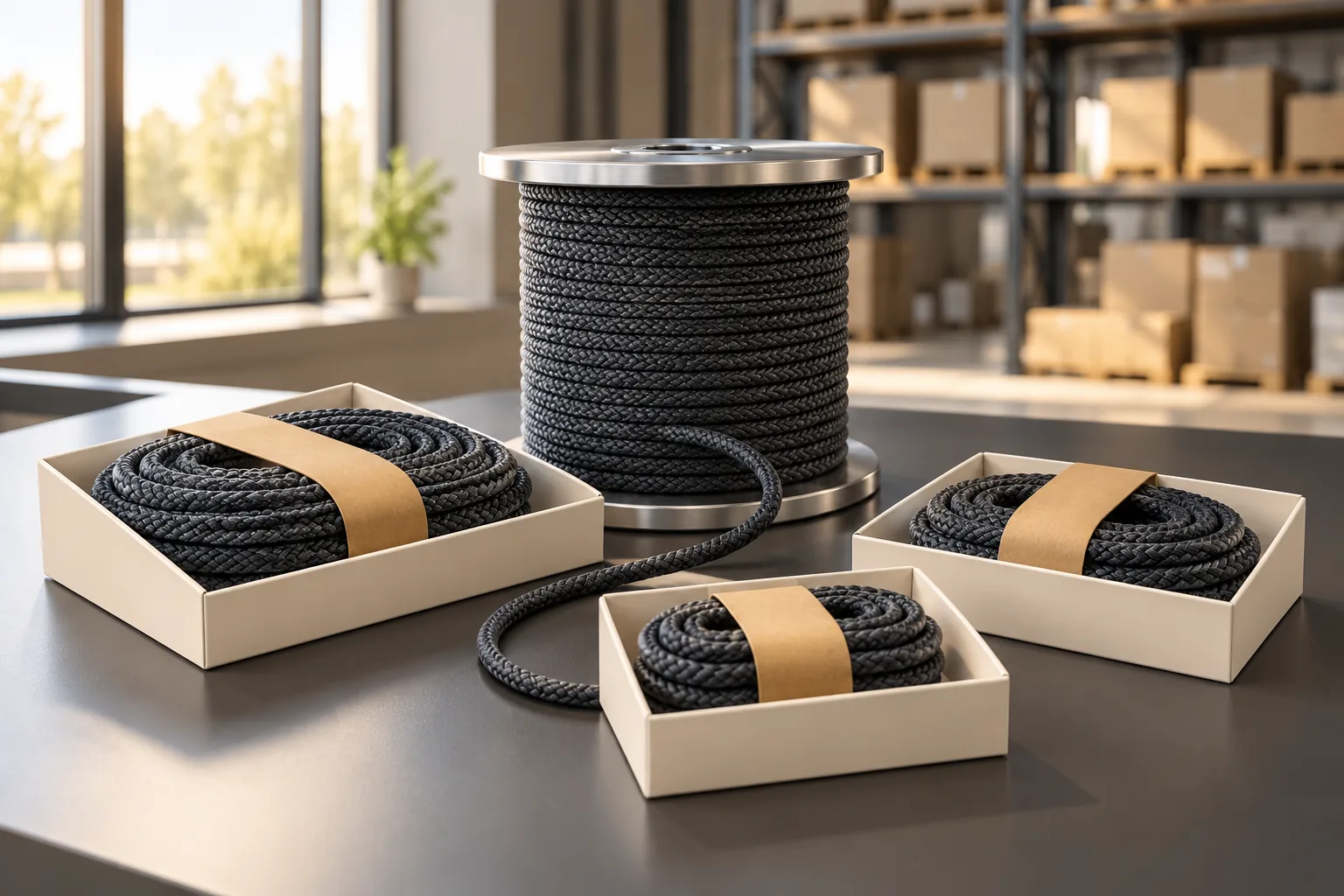
One spool can supply several rope lengths. That detail affects inventory, lead time and ordering. Here is how we approach the business rules that matter.

Before a call or a visit, representatives need to know where they stand and what to prepare. A CRM’s value also lies in that next decision.

Configure, extend or replace: understanding Boutik’s three layers helps locate an adaptation and plan the work that comes with it.

An order placed over the phone can still have an online follow-up. A portal connected to your systems can bring useful information together, with the right access for each person.

A category or spreadsheet formula often holds decisions refined over years of work. Making them understandable helps shape a tool that respects how your business operates.

A price or document comes from the ERP. That does not mean every click needs to ask it for a fresh response. Here is how we organize these exchanges.

A tool can evolve while keeping familiar ways to find information or complete a task. Those reference points deserve a place in the design.

What will you be able to keep, use and develop in the years ahead? Those questions belong in the conversation from the start of the project.